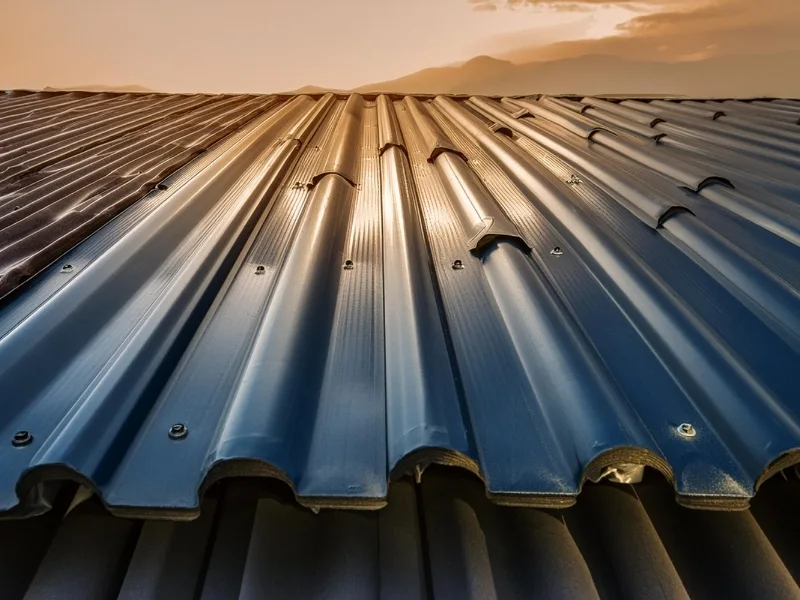
The Lightweight Advantage
Aluminum's light weight is one of its practical advantages, and it matters in specific ways for a Seelyville homeowner. Here is how the reduced weight plays out.
Less Load on the Structure
Aluminum weighs less than steel, which means a lighter load on the roof structure and the building as a whole. For most homes this is not a deciding factor, but on certain structures, or where adding weight is a concern, the lighter roof is a genuine benefit. Reducing the load the building carries is one of aluminum's distinct practical advantages.
Easier Handling During Install
The lighter panels are easier to handle and maneuver during installation, which can make the work go more smoothly. While this is more of a benefit to the installation process than to the homeowner directly, it reflects aluminum's manageable nature as a material. The ease of handling is part of what makes aluminum a practical metal to work with.
Metal's Lightness Versus Other Materials
Metal roofs in general are lighter than many traditional roofing materials like tile or slate, and aluminum is among the lightest of the metals, so it brings this advantage to a notable degree. For a home where a lightweight roof is desirable, aluminum is well suited. This lightness, combined with durability, is part of metal roofing's broader appeal that aluminum exemplifies.
Durability Despite Light Weight
Aluminum's light weight does not mean it is fragile, since it still delivers metal's durability and decades-long lifespan, holding up to weather year after year. The combination of being lightweight and long-lasting is part of what makes aluminum appealing, you get a tough, durable roof without a heavy one. This balance is one of aluminum's strengths as a roofing material.
The Softer-Metal Trade-Off
It is worth noting that aluminum is a softer metal than steel, which is part of why it is lighter, and this means it can be more prone to denting from impacts like large hail. A heavier-gauge aluminum panel resists this better. So the lightness comes with a trade-off worth weighing, especially in areas with significant hail. An honest contractor will help you consider it.
The Lightweight Advantage, in Brief
Aluminum's light weight places less load on the structure, eases installation, and reflects metal's general lightness, all while remaining durable, though the softer metal can dent more easily. The lightness is a real benefit with a trade-off to weigh.
It also helps Seelyville homeowners to understand the central trade-off that comes with aluminum's lightness, because it captures the choice between aluminum and steel in a single point. The same quality that gives aluminum its advantages, being a lighter, softer metal, is also the source of its main drawback, a greater tendency to dent from hard impacts like large hail compared to harder, stronger steel. This is not a flaw so much as a characteristic to weigh against your circumstances. On the benefit side, the lightness places less load on the structure and makes the panels easier to handle, and aluminum's softness has nothing to do with its corrosion resistance or lifespan, both of which remain excellent. On the trade-off side, in an area that sees significant hail, that softer surface can show denting more readily than steel would, though choosing a heavier-gauge aluminum panel meaningfully improves its dent resistance and narrows the gap. So the decision comes down to weighing your home's specific conditions, if you face heavy moisture or salt and want corrosion resistance and light weight, aluminum's strengths likely outweigh the denting trade-off, especially in a heavier gauge, while if you are in a hail-prone area with typical moisture levels, steel's hardness and lower cost may serve you better. An honest contractor helps you weigh these factors for your particular home rather than pushing one metal as universally superior.
One thing worth making clear for Seelyville homeowners is that aluminum's reputation as a premium, specialized roofing metal is accurate, and the key to using it well is matching it to the conditions where it genuinely shines rather than choosing it by default. Aluminum's defining quality, its natural resistance to corrosion, is genuinely excellent, but it is most valuable in specific circumstances, primarily homes exposed to heavy moisture, high humidity, or salt, conditions that are aggressive on metals relying on a coating for rust protection. In a coastal-style environment or near water, where salt and moisture combine to corrode lesser materials, aluminum's inherent protection is a real and worthwhile advantage that can justify its premium over steel. In a typical drier inland setting, however, a quality Galvalume steel roof resists corrosion perfectly well for the conditions at a lower cost, which is why steel remains the practical default for most homes. The sensible way to think about aluminum, then, is as the right tool for a particular job, the metal you reach for when moisture or salt is a genuine concern, or when a lightweight roof is specifically wanted, rather than as a blanket upgrade over steel. A contractor who installs both metals and assesses your home's actual conditions honestly will tell you which one fits, and that honest matching of material to situation is what ensures you get the roof best suited to your home without overpaying for properties you do not need.
It also helps Seelyville homeowners to understand the central trade-off that comes with aluminum's lightness, because it captures the choice between aluminum and steel in a single point. The same quality that gives aluminum its advantages, being a lighter, softer metal, is also the source of its main drawback, a greater tendency to dent from hard impacts like large hail compared to harder, stronger steel. This is not a flaw so much as a characteristic to weigh against your circumstances. On the benefit side, the lightness places less load on the structure and makes the panels easier to handle, and aluminum's softness has nothing to do with its corrosion resistance or lifespan, both of which remain excellent. On the trade-off side, in an area that sees significant hail, that softer surface can show denting more readily than steel would, though choosing a heavier-gauge aluminum panel meaningfully improves its dent resistance and narrows the gap. So the decision comes down to weighing your home's specific conditions, if you face heavy moisture or salt and want corrosion resistance and light weight, aluminum's strengths likely outweigh the denting trade-off, especially in a heavier gauge, while if you are in a hail-prone area with typical moisture levels, steel's hardness and lower cost may serve you better. An honest contractor helps you weigh these factors for your particular home rather than pushing one metal as universally superior.
See if Aluminum Suits Your Home
Seelyville Metal Roofing installs aluminum roofing across Seelyville and Vigo County and will help you weigh its benefits and trade-offs for your home. Call {phone} for a free consultation and quote, and we will give you an honest take on whether aluminum is the right fit.